With the accessibility of performance-enhancing drugs increasing online, it’s more important than ever for athletes to understand the anti-doping and health risks associated with these compounds, including Selective Androgen Receptor Modulators (SARMs). SARMs are prohibited at all times on the WADA Prohibited List and are not approved for human use by any regulatory body. Keep reading to learn more.
What are SARMs?
SARMs are a class of drug compounds that have some performance-enhancing properties similar to anabolic steroids, but with reduced androgenic (producing male characteristics) and estrogenic (producing female characteristics) side effects.
Theoretically, this could be useful in a medical setting for stimulating specific tissue growth like muscle and bone, while avoiding unwanted side effects in other tissues like the liver or skin. SARMs are being evaluated as a clinical treatment for muscle-wasting caused by several diseases, such as osteoporosis, cancer, heart failure, chronic obstructive pulmonary disease, end-stage liver disease, end-stage renal disease, and HIV. However, so far, the research has not produced clear evidence showing SARMS are better than current existing options.
Furthermore, SARM preclinical and clinical studies have reported serious side effects, including bone remodeling, testosterone suppression, and kidney, liver, and prostate enlargement. Alarmingly, recent case reports associate the use of SARMs with harmful effects like drug-induced liver injury, myocarditis, and tendon rupture.
To date, all SARMs are for investigational purposes only, meaning they are not approved by the FDA for human use. They are not drugs that your doctor can prescribe, and they are also not legal for use in compounded medicines or dietary supplements.
Are SARMs prohibited on the World Anti-Doping Agency (WADA) Prohibited List?
All SARMs are prohibited at all times (both in and out-of-competition) for all athletes, from those competing at the highest level of sport to those competing at the recreational level. SARMs are listed in the category of “Other Anabolic Agents” under section S1.2 of the WADA Prohibited List.
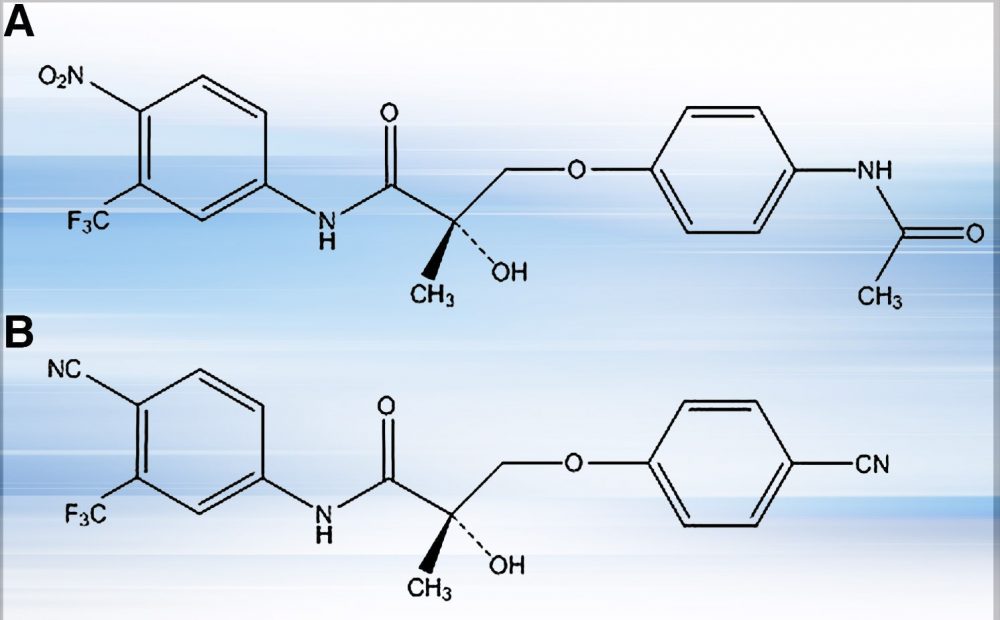
Examples of SARMs include: ostarine (Enobosarm, MK 2866), andarine, LGD-4033 (ligandrol), and RAD140. SARMs have the potential to be misused for performance enhancement in sport due to their anabolic properties, as well as their ability to stimulate androgen receptors in muscle and bone, leading to bone and muscle growth.
What if my doctor prescribes a SARM for me?
There are no Food and Drug Administration (FDA)-approved SARMs currently available for prescription. All SARMs are investigational drugs, so it is not legal for your doctor to prescribe a SARM. Athletes who would like to participate in clinical trials involving prohibited substances should contact USADA for a Therapeutic Use Exemption (TUE).
What are the health risks associated with SARMS?
The FDA has issues several public warnings about the dangers of SARMS:
Potential life-threatening side effects from SARMS, including an increased risk of heart attack and stroke have been reported. Consumers most commonly purchase SARMs online, and there is a high risk of these black market products being contaminated with other substances, contributing to adverse effects. Athletes have also reported consuming SARMs at much higher doses than clinically studied, which may increase the risk of the reported side effects, such as liver injury, impaired insulin sensitivity, cardiovascular events, and tendon damage.
The long-term effects of using SARMs are unknown.
Are SARMs in dietary supplements?
No. SARMs are not legitimate dietary ingredients, and the FDA has issued many warning letters to companies that market SARMS illegally in dietary supplements. There are many products marketed directly to consumers as “research” compounds that advertise to contain SARMs. Athletes should avoid all such products.
Currently, there are many products listed on the Supplement Connect High Risk List that advertise to contain SARMs.
Athletes should be aware that SARM ingredients could be listed on dietary supplement product labels under various names.
The following are examples of SARMs that are frequently and illegally marketed in dietary supplements or as research chemicals:
- Ostarine (Enobosarm, MK2866, S22)
- Andarine (S4)
- LGD-4033 (Ligandrol)
- LGD-3033
- TT-701
- RAD140 (Testolone)
- RAD150
- S23
The following prohibited substances are also sometime marketed as SARMs:
- SR9009 (Stenabolic) and SR9011
- Ibutamoren (MK-677, Nutrabol)
- GW501516 (GW1516, Cardarine, Endurobol)
- YK-11
More questions?
For questions about specific products, substances, and methods, contact USADA’s Drug Reference Line at drugreference@USADA.org or call (719) 785-2000, option 2.